

In today’s fast-paced retail landscape, the way organizations process transactions has seen a significant transformation. Gone are the days when cash registers were the exclusive means of handling sales. The rise of Point of Sale (POS) systems has simultaneously streamlined transactions but also transformed the whole shopping experience for both retailers and customers alike. As we explore the future of shopping, it’s important to comprehend how these cutting-edge systems are paving the way for innovation in retail operations.
Modern POS systems are far more than just financial transaction tools. They are essential components that integrate sales tracking, inventory management, customer relationship management, and data analytics into a unified platform. This versatile nature allows companies to gain deeper insight into their operations, enhance efficiency, and enhance customer experiences. As we investigate the development of POS systems—from conventional setups to advanced cloud-based solutions—we'll reveal how they are transforming the retail environment and what businesses need to evaluate in order to thrive in this constantly evolving industry.
Comprehending Point of Sale Systems
A point of sale system, or point of sale, is a mix of hardware and software that allows businesses to complete sales transactions efficiently. Traditionally, POS systems were simple cash registers that logged sales and handled payments. However, modern POS systems have developed into all-encompassing solutions that integrate sales tracking, inventory management, customer relationship management, and additional features. This evolution has enabled businesses to simplify their operations and improve the overall customer experience.
The evolution of POS systems has been marked by important technological progress. From the early mechanical cash registers to today's cloud-based solutions, POS systems have become more sophisticated and versatile. Retailers now benefit from features such as mobile payments, real-time inventory tracking, and robust data analytics capabilities. These innovations are enabling businesses adjust to the evolving retail landscape, especially with the rise of e-commerce and mobile purchasing.
Understanding the core functionalities of a POS system is vital for any business thinking about an upgrade or implementation. A modern POS system not only handles sales but also offers insights that drive business decisions. By analyzing sales trends, inventory levels, and customer behavior, businesses can improve their operations and promotional approaches. As we explore further into the nuances of POS systems, it is evident that their role in retail is essential, affecting everything from daily transactions to long-term business growth.
Point of Sale System Features and Advantages
A up-to-date POS system comes equipped with a range of features that optimize operations and enhance the overall retail experience. my review here of the most important benefits is the capability to manage inventory in real-time. This means businesses can easily monitor stock levels, receive alerts for low inventory, and on autopilot reorder products when necessary. This feature minimizes the risk of depleting popular items, making sure customers can locate what they need, which in turn leads to higher sales.
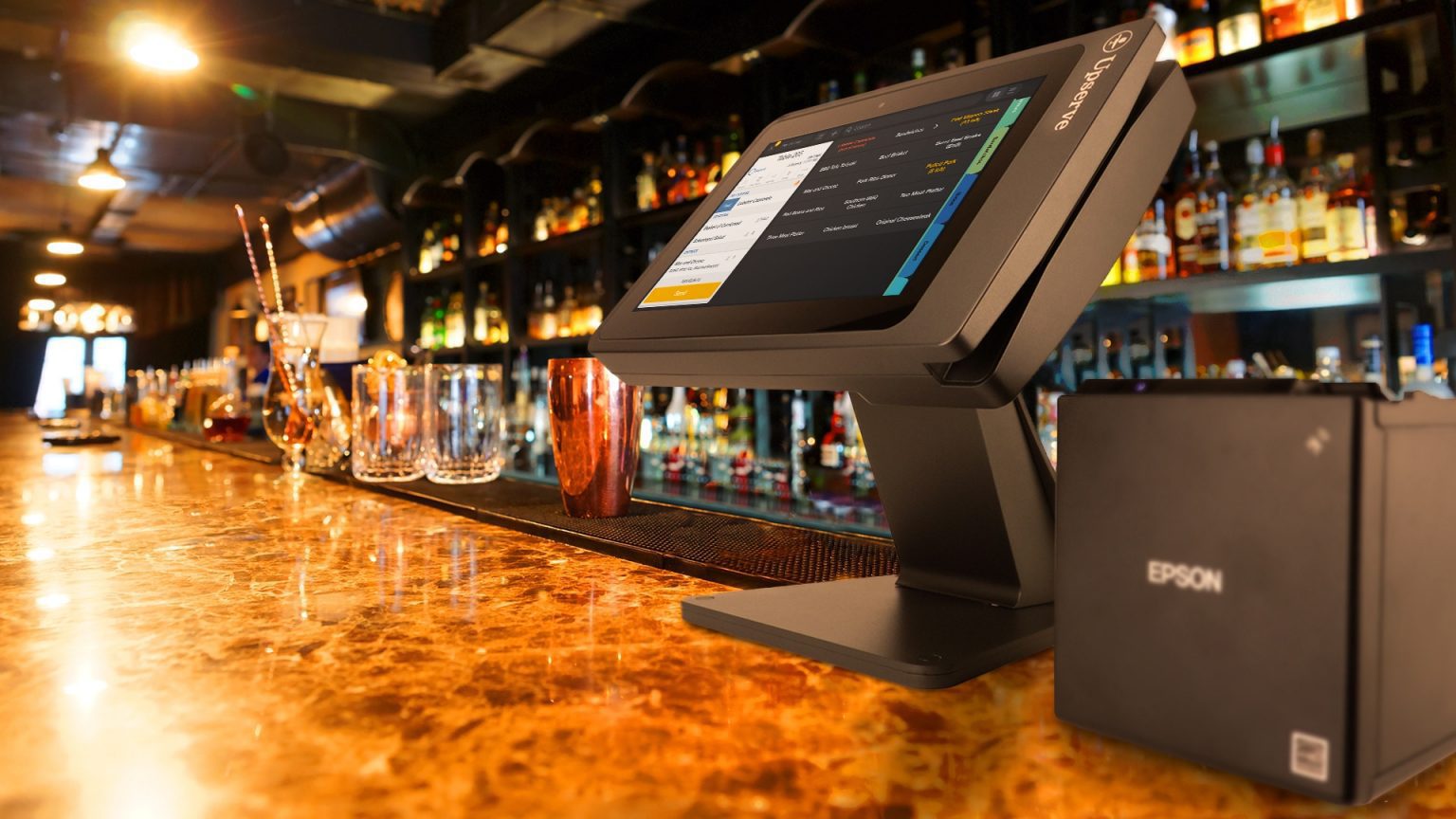
Additionally, a significant functionality is the integration of customer relationship management tools straight into the POS system. This allows businesses to gather useful data about their customers’ purchasing habits, preferences, and behaviors. By analyzing this data, retailers can tailor marketing efforts, offer personalized promotions, and cultivate better customer relationships. Improved customer engagement often results in enhanced loyalty, repeat business, and higher overall sales.
Furthermore, a modern POS system accommodates various payment options, including mobile wallets and contactless payments, making transactions faster and more user-friendly for customers. This flexibility can lead to higher customer satisfaction, as shoppers appreciate the ease of completing transactions without trouble. Furthermore , advanced security features shield both business and customer data, ensuring compliance with industry standards and providing peace of mind. Overall, the characteristics of a contemporary POS system not just improve efficiency but also provide significant benefits to businesses and their customers alike.
Safety and Merging Issues
As businesses increasingly rely on modern POS systems, protection is a top concern. With the rise in cyber threats, ensuring that sensitive customer data is protected is paramount. Many businesses face obstacles in securing their POS solutions against possible breaches, particularly as they often lack the internal expertise required to establish robust protection measures. Keeping up with the latest security standards, such as PCI compliance, is essential for protecting both the company and its customers.
Merging also brings its own collection of challenges. Businesses often use various software applications for accounting, inventory management, and customer relationship management. Integrating these solutions with a POS system can enhance operational efficiency, but achieving seamless interaction between various platforms can be challenging. Proper merging requires careful planning, technical expertise, and ongoing maintenance to ensure that information flows smoothly among solutions without disruption.
Moreover, employees must be adequately trained to navigate these merged solutions effectively. Lack of familiarity can lead to inefficiencies and errors in operations. To mitigate these challenges, businesses should focus on ongoing training and support for their staff, as well as think about working with experienced IT professionals to establish secure and robust integrations that enhance overall business performance while minimizing risks.