

In today's fast-paced fast-paced commercial environment, having the proper tools can result in a significant difference in your achievement. One of the top crucial resources for commercial and service businesses is a Point of Sale (POS) solution. Comprehending what a POS solution is and how it operates is important for any business owner looking to enhance efficiency and improve client satisfaction. From traditional tills to modern cloud-computing options, the advancement of POS solutions has revolutionized how businesses manage transactions, inventory, and customer relationships.
Customizing your POS platform to meet your individual needs can unlock a variety of advantages. Whether you operate a thriving dining establishment, a commercial outlet, or an online platform, tailoring your POS platform can lead to greater output, streamlined workflows, and ultimately a more satisfying engagement for your customers. In this guide, we will discuss the many elements of POS systems, including their capabilities, advantages, and how to pick the best system for your distinct operation requirements.
Grasping Point of Sale Systems
A POS system, generally called a POS system, is a key element for any business that engages in transactional sales. At best point of sale for restaurants , a Point of Sale system is the location where a customer finalizes their transaction, integrating hardware and applications to facilitate functions like monitoring sales, stock control, and customer relationship management. Contemporary Point of Sale systems go beyond mere processing transactions, offering crucial insights and tools that assist businesses run significantly effectively.
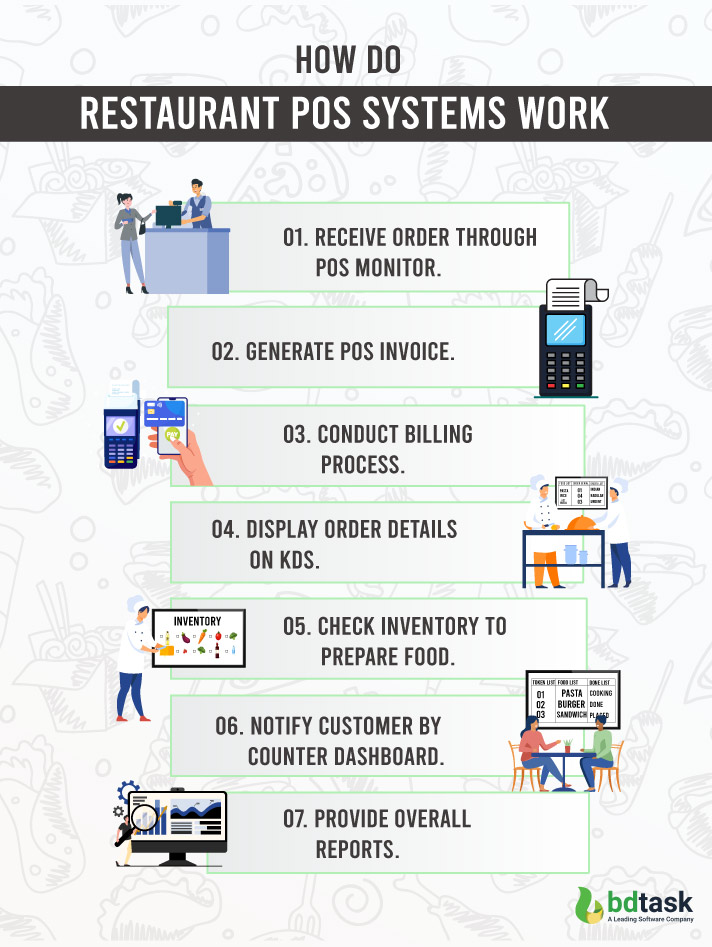
The evolution of POS systems has been remarkable, shifting from traditional till systems to advanced, web-based systems. This advancement allows businesses to access immediate data and analytics from anywhere, making it easier to control sales, stock, and customer information. The transition to portable and tablet POS systems has also allowed retailers and eateries to deliver quicker assistance and better customer experiences, improving both quickness and ease in the transactional workflow.
Comprehending how to choose and tailor a Point of Sale solution based on specific business needs is vital for achieving goals. Factors such as sector needs, customer interactions, and compatibility with existing software play a significant function in choosing the appropriate system. For example, a boutique may emphasize inventory management features, while a diner might focus on table management and order management. By coordinating a Point of Sale solution with your aims, you can develop a personalized solution that enhances daily operations and promotes sustained development.
Choosing the Best POS Solution
Choosing the best POS solution for your business is essential for functionality and client satisfaction. Start by evaluating the particular needs of your company, considering aspects like size, industry, and customer interactions. For instance, a dining establishment may require advanced features like table logistics and menu customization, while a retail store might focus on inventory tracking and CRM tools. Grasping these unique requirements will assist you in evaluating different systems offered in the industry.
As soon as you have a clear understanding of your needs, it's essential to research and compare different POS solutions. Seek out industry-specific solutions that cater to your business type, for example retail or service. Examine customer reviews and case studies, and consider implementation feedback provided by other businesses like yours. This will offer insights into the solution's efficacy and reliability, ultimately aiding in arriving at a well-informed decision.
Finally, evaluate the flexibility and versatility of the POS system. As your company expands and evolves, your POS solution should easily adapt to new demands, whether that's supporting more users, linking with e-commerce platforms, or offering sophisticated analytics. Confirm that the vendor offers continuous assistance and updates to ensure your system remains protected and efficient. A strong and adaptable POS system will not only streamline existing processes but also open up future expansion opportunities.
Ensuring Safety and Compliance
In the current digital landscape, ensuring the protection of your POS system is paramount for protecting confidential customer data and maintaining the confidence of your clientele. Adopting effective security measures such as data encryption, frequent software updates, and secure user verification processes is necessary. These practices help protect against possible breaches that could reveal personal information and transaction details. It is also vital to conduct routine security audits to find any vulnerabilities in your system.
Adherence with industry standards is equally important. The Payment Card Industry Data Security Standard (PCI DSS) outlines crucial security measures that businesses must follow when managing credit card transactions. Getting acquainted yourself with these regulations and making sure your POS system adheres to them can shield your business from significant fines and brand damage. Regular training for your employees on regulatory protocols is a proactive step that enhances your overall safety posture.
Furthermore, incorporating cutting-edge security features like EMV chip technology can enhance transaction security, greatly reducing the risk of fraud. By staying informed about the evolving landscape of safety threats and compliance requirements, you will place your business to respond effectively and uphold a secure operational environment. Ensuring your POS system is secure and compliant not only protects your assets but also improves your customer experience and trust.