

The POS system has come a long way since the days of simple punch cards and mechanical cash registers. As organizations change, so too do the tools they rely on to enhance operations, handle inventory, and enhance the user experience. Currently, modern POS systems have become more than just transaction centers; they are sophisticated platforms that connect effortlessly with different business functions, from inventory management to customer relationship management.
In this article, we will explore the evolution of POS systems, tracing their journey from basic cash registers to sophisticated cloud-based solutions that enable businesses to run more effectively. We will analyze the key features that modern systems present, how they can transform your business operations, and what you need to consider when selecting the most suitable system for your requirements. Accompany us as we uncover the significant milestones in POS technology and how these developments continue to shape the future of sales and hospitality.
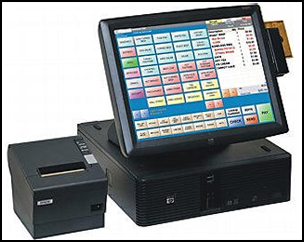
Understanding Point of Sale Solutions
A POS system is a vital tool for businesses that helps streamline transactions and manage multiple aspects of operations. At its heart, a Point of Sale system captures sales, processes payments, and provides a centralized platform for inventory management. Current Point of Sale solutions have progressed far beyond traditional cash registers, integrating technology that facilitates businesses to monitor customer interactions, examine sales data, and provide a more satisfying customer experience.
Today’s POS systems come loaded with features that cater to diverse industries, from retail to hospitality. They can offer various payment methods, including contactless payments, mobile wallets, and traditional credit or debit card options. Additionally, these systems often work with accounting software and customer relationship management (CRM) platforms, improving the productivity of operations and increasing data accuracy.
As organizations look to thrive in a competitive landscape, understanding the various functionalities of Point of Sale systems becomes crucial. Putting money in the right Point of Sale solution can lead to higher sales, better inventory control, and boosted employee productivity. Additionally, by leveraging analytics and reporting features, company leaders can make informed decisions that foster growth and enhance customer satisfaction.
Choosing the Best POS Solution
Choosing the right POS solution for your business is essential to facilitate efficient functioning and enhanced customer service. Begin by assessing try this web-site and the distinct demands of your industry. For example, restaurants might emphasize features like table management and customized orders, while retail businesses may prioritize inventory tracking and customer engagement tools. Understanding the essence of your organization will help refine your choices significantly.
Next, think about the scalability of the POS system you choose. As your organization develops, your POS solution should be able to adjust to higher sales volume and additional locations, if applicable. Search for solutions that provide modular features or variable pricing plans, enabling you to expand or change your system without facing major changes to your operations. A solution that can scale with you not only conserves money in the long run but also reduces operational disruptions.
In conclusion, don’t dismiss the significance of support and educational resources. A trustworthy POS vendor should provide complete support to help you troubleshoot issues as they arise. Additionally, ensure that they provide adequate training for your employees to utilize the capabilities of the system effectiveness. A simple to use interface combined with strong support can create all the impact in ensuring that your transition to a new POS system is smooth and efficient.
Improving Business Efficiency through POS Technology
Modern POS systems have transformed the manner businesses operate by simplifying numerous processes. Such systems allow for faster transaction processing, reducing wait times for customers and boosting overall revenue efficiency. With capabilities such as barcode scanning, digital payments, and intuitive interfaces, employees can assist clients more effectively, ensuring a more seamless flow of operations. This advancement not only enhances customer satisfaction but also optimizes staff productivity, allowing them to concentrate on providing excellent service rather than being burdened by administrative tasks.
Moreover, advanced POS systems come fitted with comprehensive reporting tools that provide real-time information into sales, inventory levels, and customer behavior. These analytics empower business owners to make informed decisions based on reliable data, ultimately leading to improved inventory management and targeted marketing strategies. By analyzing sales trends and customer preferences, businesses can adjust their offerings, simplify their operations, and increase profitability.
Integrating a POS system with other business tools, such as accounting software and CRM platforms, improves collaboration and efficiency across departments. This integration ensures that all facets of the business are linked, minimizing the chances of human error and enhancing data consistency. As a result, businesses can respond more swiftly to market changes, improve financial accuracy, and boost overall operational efficiency, setting themselves up for long-term success.