

Updating your kitchen can be one of most exciting yet difficult home improvement endeavors you embark on. The kitchen is often considered the heart of the home, where family and friends come together to partake in meals, create memories, and relish each other’s company. Whether you are hoping to modernize your space, enhance functionality, or simply renew the appearance, a kitchen renovation enables you to demonstrate your personal style while increasing your home's value.
In this guide, we will discuss key tips and insights to guide you handle the process of planning your kitchen renovation. From recognizing the signs that it’s time for a remodel to comprehending the intricacies of cabinetry, countertops, and appliances, we will cover what you need to know. You will also uncover design inspiration, efficient ideas for small kitchens, and the latest trends for the upcoming year. So, whether you are pursuing a timeless look or a contemporary vibe, let us journey on this journey together to create a kitchen that is both useful and elegant.
Preparing Your Culinary Renovation
When starting on a kitchen renovation, the first step is to create a clear concept of what you want to achieve. Reflect on your cooking habits, lifestyle, and the overall functionality you desire in your kitchen. Take the time to accumulate inspiration from decor magazines, websites, and social media to pinpoint styles and features that resonate with you. This preliminary brainstorming will guide your decision-making journey and help ensure a integrated design.
Once you have a vision in place, it's crucial to establish a budget that corresponds with your renovation objectives. Determine how much you are willing to allocate in your kitchen remodel and prioritize your spending based on your requirements and wants. If you're working with a limited budget, explore cost-effective solutions and concentrate on key elements that will have the most considerable impact, such as cabinetry, countertops, or fixtures. Investigating various products and their costs can help you make sound financial decisions throughout the renovation journey.
Finally, reflect on the design and flow of your kitchen. Examine the current space and think about whether the existing layout meets your needs. You may want to embrace an open concept or create a more effective work triangle between the stove, sink, and refrigerator. Calculate your kitchen accurately and use design software or professional services to illustrate your ideas. Planning your kitchen renovation mindfully will set the stage for a successful transformation that fulfills both your style and functional requirements.
Design Trends and Inspiration
As we move into 2024, the kitchen design landscape is evolving, featuring a mix of utility & aesthetics that caters to different lifestyles. One of the most significant trends is the growing popularity of sustainable materials. Homeowners are increasingly selecting sustainable materials, such as bamboo cabinetry and upcycled countertops, which not only reduce harm to the environment but also add a special appeal to the kitchen. Combining natural textures with vibrant colors cultivates a warm, inviting atmosphere that promotes gastronomic innovation and social interactions.
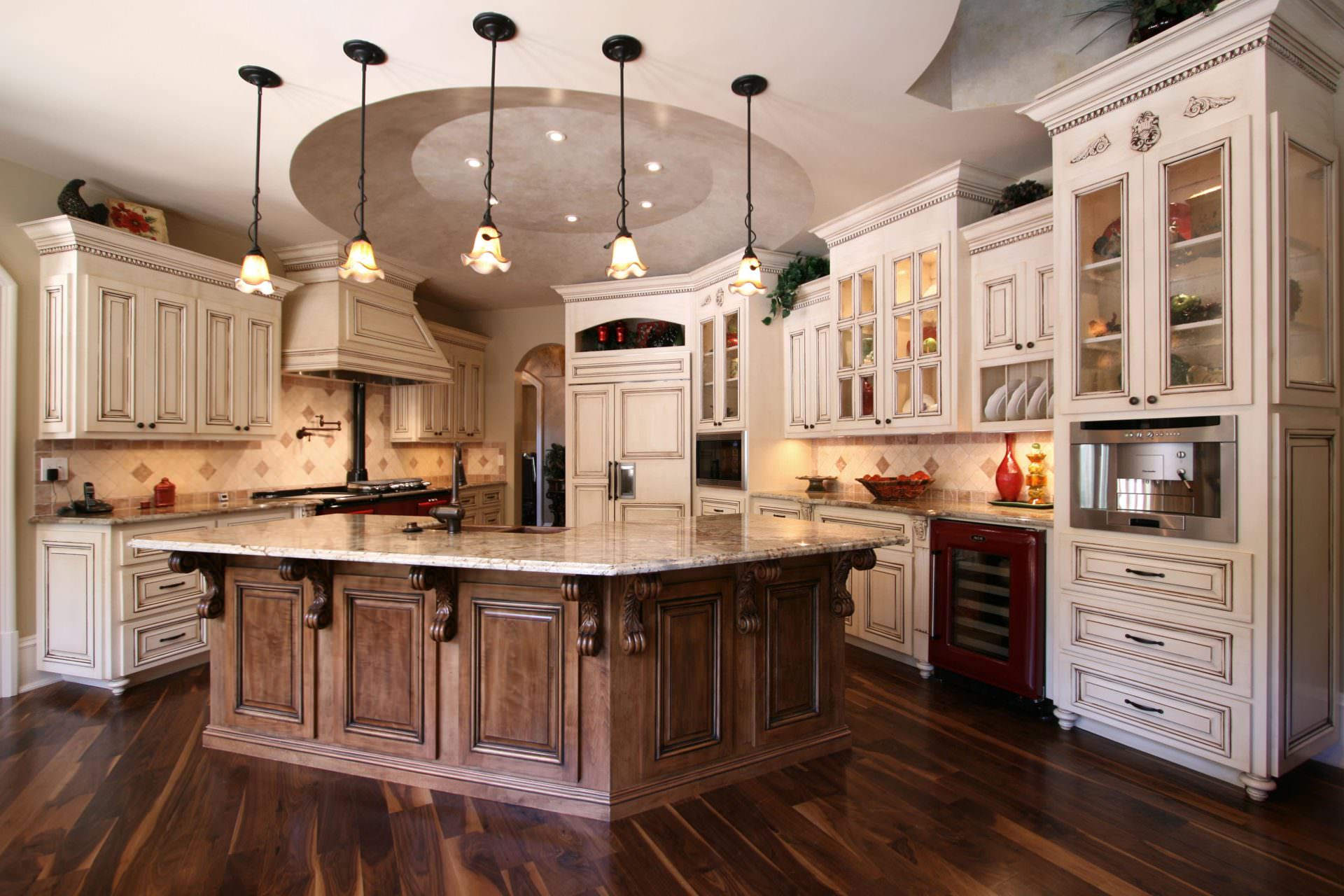
Alongside sustainability, the focus on open layouts continues to thrive. This design approach improves movement and interaction, making the kitchen an essential part of the living space. Features such as large islands can serve as versatile hubs, accommodating cooking, dining, & even home office tasks. Incorporating smart technology into these layouts is also gaining traction, offering homeowners ease and efficiency for their daily activities without sacrificing style.
Color palettes play a vital role in setting the mood of a kitchen. This year, we are seeing a shift towards vivid & intense colors, such as rich blues and vibrant greens, which can provide a bold contrast to neutral cabinetry. Incorporating these colors through backsplashes, appliances, or even feature walls can dramatically transform the space and express personal style. Mixing modern and traditional elements, such as stylish handles on traditional cabinets and contemporary light fixtures over rustic tables, can also create a harmonious balance that feels both contemporary and classic.
Choosing the Appropriate Components and Appliances
Picking the ideal components for your kitchen renovation greatly affects the general look, durability, and functionality of the space. Take into account surface options such as quartz and quartz, both celebrated for their strength and aesthetic qualities. If you’re working with a limited budget, veneer offers a cost-effective alternative without giving up on aesthetic appeal. Likewise, choosing the ideal flooring type is vital; hardwood can add warmth, while ceramic provides toughness and easy maintenance. Be certain to consider how each material will fit with your selected design theme and lifestyle.
Machines also hold a significant role in the kitchen renovation process. When selecting new appliances, prioritize energy efficiency to save on utility bills while being environmentally conscious. Smart appliances, while at first higher-priced, can provide additional convenience and functionality, allowing you to monitor and control settings remotely. Choose gas and electric stoves based on your cooking preferences, as both offers individual advantages. It’s crucial to ensure that the appliances you choose blend seamlessly within your new kitchen layout and design.
Ultimately, don’t ignore the importance of fixtures. affordable kitchen renovations can enhance both functionality and design, serving as a focal point in your kitchen. Evaluate options that feature high arches for ease of use, and don’t forget about the textures that will complement your overall design. By carefully selecting components and devices, you can create a cohesive kitchen that not only meets your practical needs but also elevates the aesthetic appeal of your home.